

.png)
Keepsake began with a single thought: How do we make the nostalgic experience of burying and digging up a time capsule accessible to everyone? Working with a team of six designers, I helped define the problem space through user interviews and research. Rather than jumping into solutions, we first focused on patterns—specifically, the emotional friction users felt when digital memories became scattered, impersonal, or hard to contextualize.
From these insights, we created personas and user journey maps that highlighted a core opportunity: people wanted a more intentional, ritual-like way to preserve moments. This reasoning shaped every design decision moving forward.
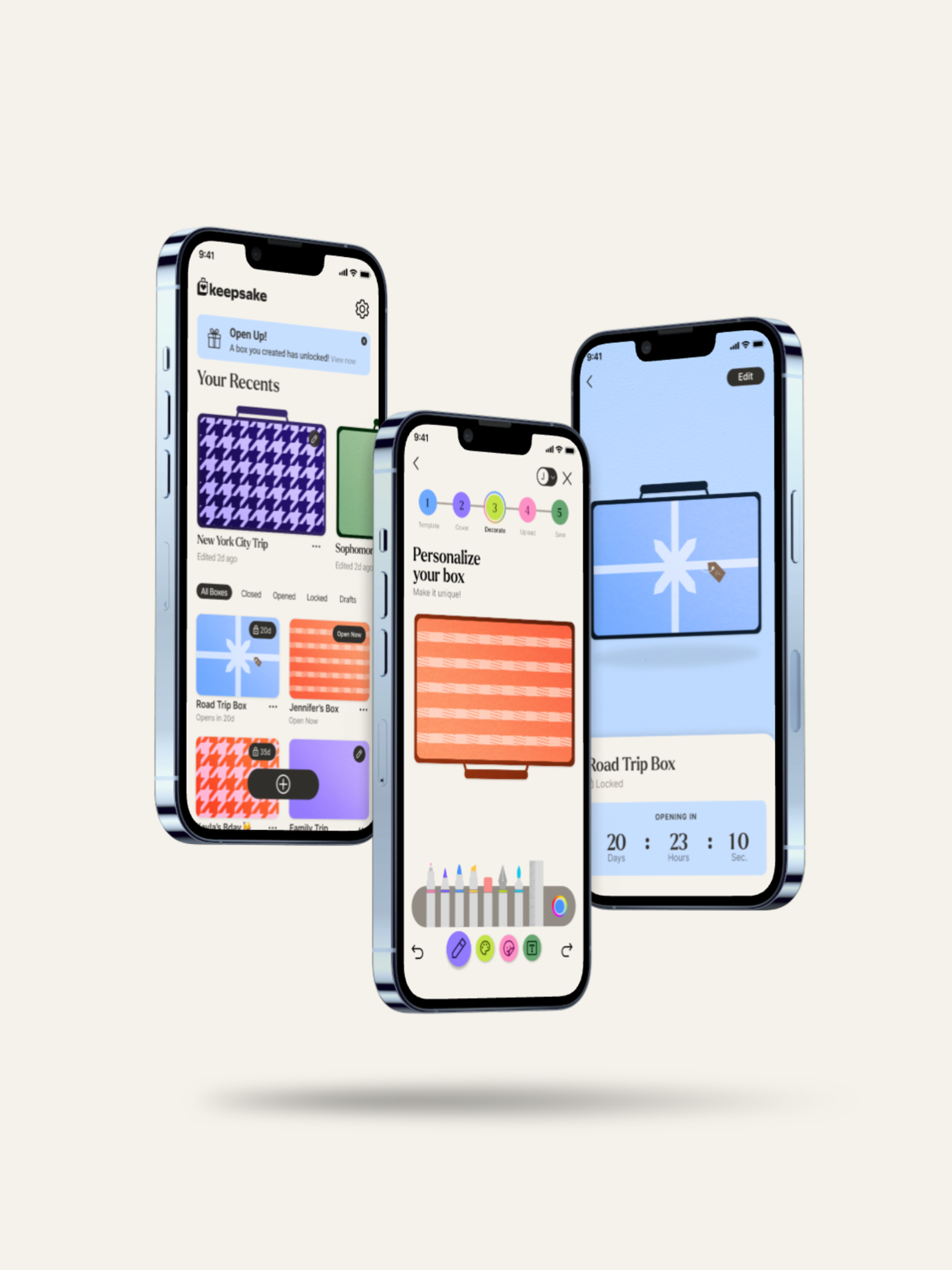
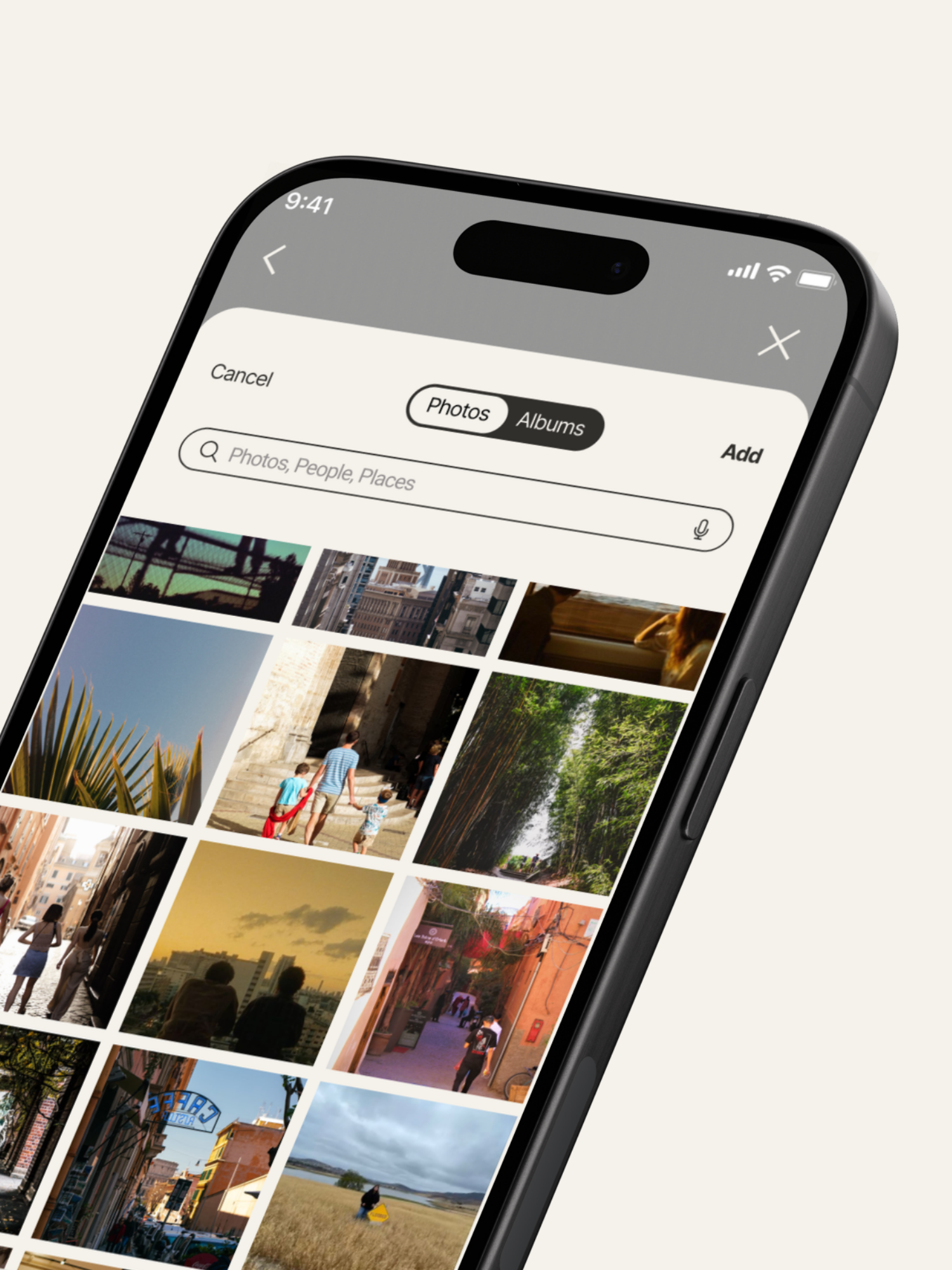
In early prototyping, we intentionally explored different conceptual directions, but usability sessions revealed that users gravitated toward interfaces that felt personal, tactile, and nostalgic. That led me to propose a skeuomorphic design inspired by retro lunchboxes—an object associated with care, personalization, and keepsakes. This metaphor grounded the product: users could customize the exterior and store photos, videos, songs, and notes inside, mirroring how someone might decorate and fill a physical memory box.
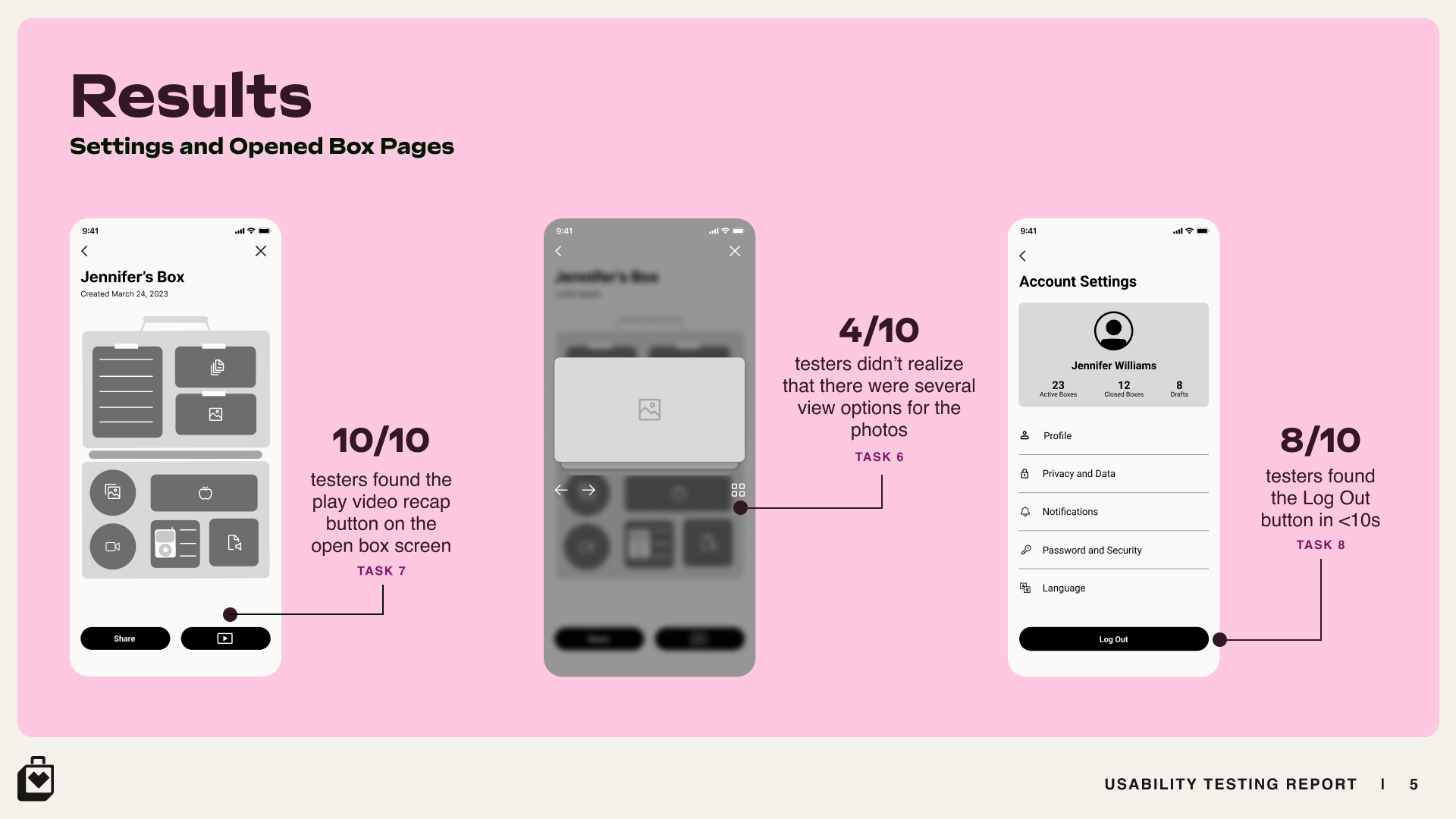
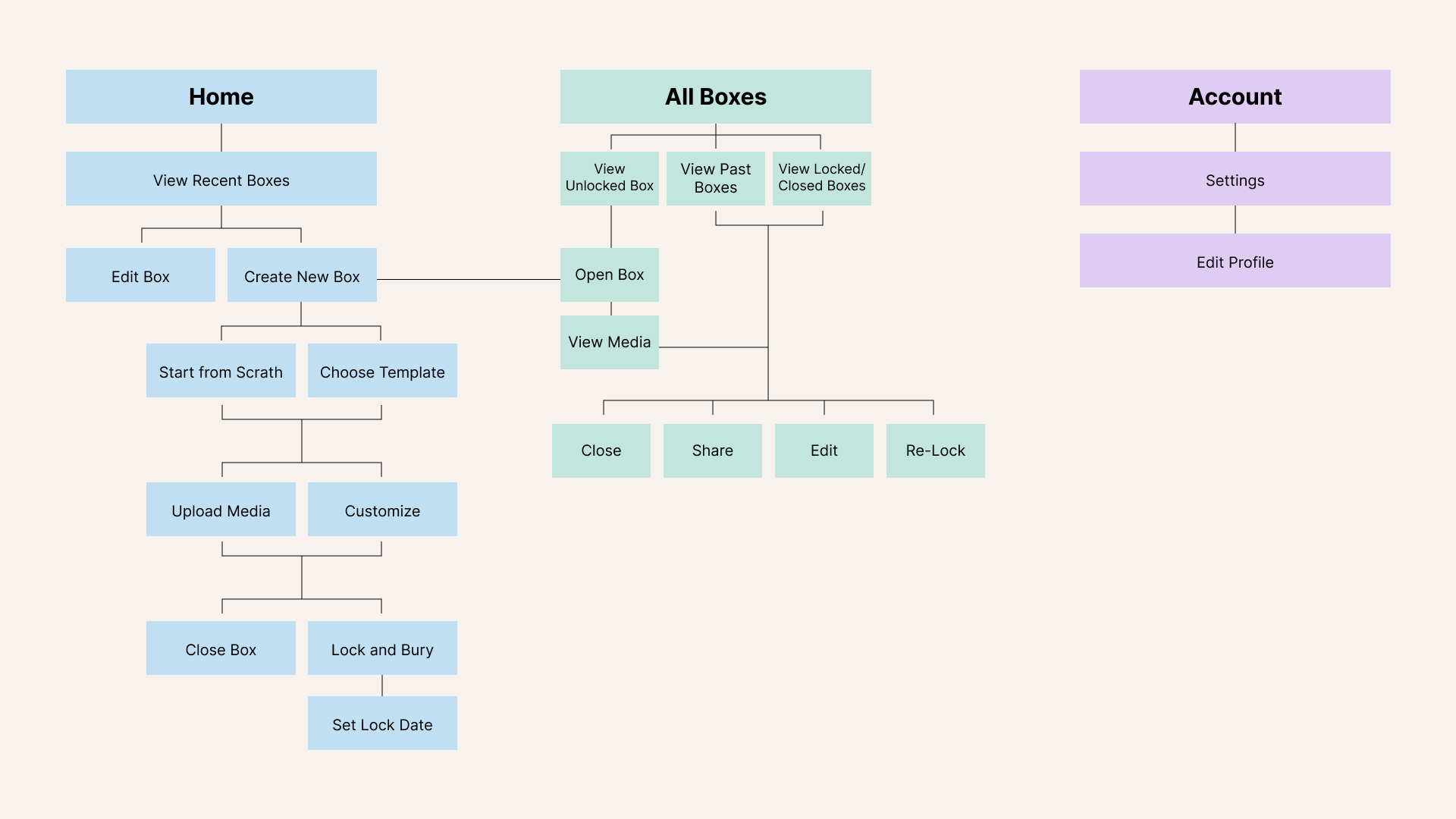
As we moved into higher-fidelity prototypes, our team used iterative testing to validate not just functionality, but mental models. For example, users were confused by actions like “lock” and “view anytime,” which prompted us to simplify the navigation and reframe these interactions in clearer, more intuitive terms. A progress bar was added after observing hesitation during the saving process—users needed assurance that their memories were being safely stored.
To support a cohesive experience, we developed a style guide that documented our visual system and interaction patterns. This ensured that as the prototype evolved, the product still communicated the same emotional tone: warm, intentional, and easy to explore.
Ultimately, the Keepsake prototype reflects a reasoning-first approach—using research to define the problem, conceptual metaphors to shape the interface, and iterative testing to refine the experience into something intuitive, emotional, and memorable.
If you like what you see and want to work together, let's get in touch!
shrinidhi.venkateshan@gmail.com.png)
.png)
.png)
.png)